Quick Answer: A credit score is a three-digit number from 300 to 850 that predicts how likely you are to repay borrowed money. The fastest ways to build it are paying every bill on time (35% of your FICO score) and keeping credit-card balances below 30% of your limits (30% of your score). Use credit cards by paying the statement in full each month to build credit and avoid interest, which now averages about 21% APR.
Key Takeaways
- FICO scores run 300–850: 670+ is “good,” 740+ is “very good,” 800+ is “exceptional.” The U.S. average is about 714 (FICO).
- Two factors drive most of your score: payment history (35%) and credit utilization (30%) (myFICO).
- Keep utilization under 30% (ideally under 10%) and never miss a payment — these two moves matter most.
- The average credit-card APR is about 21%, so pay your balance in full each month to avoid interest entirely (Federal Reserve).
- Check your reports free every week at AnnualCreditReport.com and dispute any errors.
This guide has two parts. First, it explains credit scores: what they are, why they matter, how they’re calculated, and exactly how to build and improve yours. Second, it covers credit cards: how they work, the types available, how to choose one, and how to use it responsibly to build credit without falling into debt. Whether you’re starting from no credit history or polishing an already-good score, you’ll find a clear, step-by-step path here — each section answering the questions people actually search.
This is the credit guide within our broader complete guide to personal finance. Credit affects far more than loans: it influences the interest rates you pay, whether you can rent an apartment, and even some insurance and job decisions, so it’s one of the highest-leverage areas of your financial life.
This guide is educational and is not financial advice. Credit terms, rates, and figures change frequently — confirm current details with the official source (such as the card issuer or AnnualCreditReport.com) or a licensed professional before acting.
Table of Contents
- 1 What Is a Credit Score?
- 2 Why Does Your Credit Score Matter?
- 3 What Is a Good Credit Score?
- 4 How Are Credit Scores Calculated?
- 5 What Are the Credit Score Ranges?
- 6 How to Build and Improve Your Credit Score
- 6.1 Step 1. Pay Every Bill on Time
- 6.2 Step 2. Lower Your Credit Utilization
- 6.3 Step 3. Keep Old Accounts Open
- 6.4 Step 4. Limit Hard Inquiries
- 6.5 Step 5. Check Your Credit Report for Errors
- 6.6 Step 6. Use Credit-Building Tools
- 6.7 How Do You Check Your Credit Score for Free?
- 6.8 How Long Does It Take to Build Credit?
- 6.9 How Do You Build Credit With No Credit History?
- 6.10 How Do You Fix or Repair Bad Credit?
- 7 How Do Credit Cards Work?
- 8 What Are the Types of Credit Cards?
- 9 How Do You Choose the Right Credit Card?
- 10 How Do You Use a Credit Card Responsibly?
- 10.1 What Is APR and How Does Credit Card Interest Work?
- 10.2 How Do Credit Card Rewards Work?
- 10.3 What Are the Most Common Credit Card Mistakes?
- 10.4 How Do You Avoid and Pay Off Credit Card Debt?
- 10.5 Credit Card vs Debit Card: What’s the Difference?
- 10.6 FICO Score vs VantageScore: What’s the Difference?
- 10.7 Secured vs Unsecured Credit Card: Which Should You Get?
- 11 What Are the Best Credit Cards for Beginners?
- 12 What Are the Best Tools to Monitor Your Credit?
- 13 How Do You Maintain Good Credit Long-Term?
- 14 Frequently Asked Questions About Credit Scores and Credit Cards
What Is a Credit Score?
A credit score is a three-digit number, typically ranging from 300 to 850, that lenders use to predict how likely you are to repay borrowed money. It’s calculated from the information in your credit reports — your history of borrowing and repaying — and summarizes your credit risk in a single figure. The higher your score, the less risky you appear, and the better the rates and terms lenders offer you.
Credit scores are produced by scoring companies, chiefly FICO and VantageScore, using data from the three major credit bureaus: Equifax, Experian, and TransUnion. Because each bureau may hold slightly different information, and because lenders use different scoring models, you actually have several credit scores rather than one. FICO scores are used in roughly 90% of lending decisions, which is why they’re the standard most people mean by “credit score.”
Your score is not part of your credit report — it’s a calculation based on it. The report lists your accounts, balances, payment history, and inquiries; the score distills all of that into a number lenders can act on quickly. Understanding what goes into that number is the key to improving it, which the rest of this guide covers in detail.
Why Does Your Credit Score Matter?
Your credit score matters because it determines whether you can borrow money and how much that borrowing costs — and it reaches into areas well beyond loans. A high score unlocks lower interest rates on mortgages, car loans, and credit cards, which can save tens of thousands of dollars over a lifetime. A low score makes borrowing expensive or impossible exactly when you may need it most.
The impact is broad. Lenders use your score to approve or deny credit cards and loans and to set your interest rate. Landlords check it when you apply to rent. In many states, insurers factor a credit-based score into auto and home premiums, and some employers review a version of your credit history during hiring for certain roles. A strong score, in short, is a financial passport that opens doors and lowers costs across your life.
Consider the dollars. On a 30-year mortgage, the gap between an excellent score and a fair one can mean a meaningfully higher interest rate and tens of thousands of dollars in extra interest over the loan. The same logic applies to car loans and credit cards. Building and protecting your score is one of the highest-return financial habits there is — and the steps to do it are straightforward.
What Is a Good Credit Score?
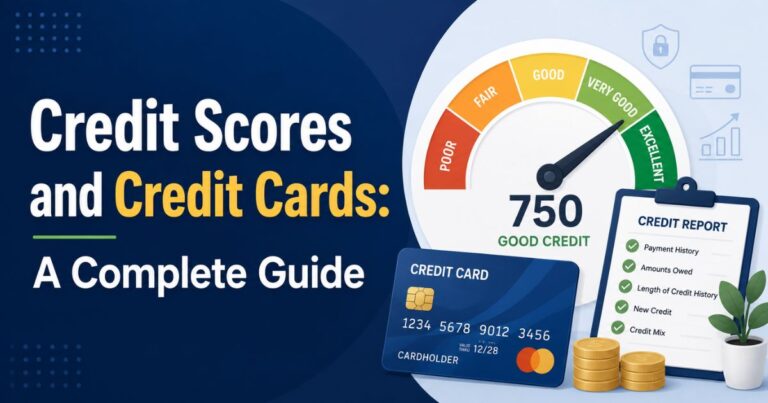
A good credit score is generally 670 or higher on the 300–850 FICO scale. FICO breaks scores into five bands: poor (below 580), fair (580–669), good (670–739), very good (740–799), and exceptional (800–850). Reaching the “good” range qualifies you for most credit products at reasonable rates, while “very good” and “exceptional” scores earn the best available terms. The U.S. average FICO score is about 714, which sits in the good range, according to FICO.
What counts as “good enough” depends on your goal. For most credit cards and loans, a score in the good range (670+) is sufficient to be approved at competitive rates. To secure the lowest mortgage rates, lenders typically reward scores of 740 or higher. Below 670, you can still get credit, but often at higher rates or with a required deposit, as with a secured card. The encouraging news is that about 70% of U.S. consumers have a score of 670 or better — and the steps to join them are within anyone’s control.
How Are Credit Scores Calculated?
Credit scores are calculated from five categories of information in your credit report, each weighted differently. For FICO scores, the breakdown is payment history (about 35%), amounts owed or credit utilization (about 30%), length of credit history (about 15%), new credit and inquiries (about 10%), and credit mix (about 10%), according to myFICO. The exact weighting varies by individual profile, but these categories tell you precisely where to focus. Each is broken down below.
Two factors — payment history and utilization — together make up about two-thirds of your score, so they’re where almost all of your effort should go. The other three matter, but they move the needle far less.
Payment History (about 35%)
Payment history is the record of whether you’ve paid your credit accounts on time, and it’s the single most important factor in your credit score at about 35%. Lenders care most about this because your track record of repayment is the strongest predictor of whether you’ll repay future debt. Even one payment 30 or more days late can significantly damage your score.
How it affects your score: On-time payments build your score steadily; late payments, collections, charge-offs, and bankruptcies hurt it — and the more recent and severe the miss, the bigger the damage.
How to optimize it: Pay at least the minimum on every account by its due date, every time. Set up autopay for at least the minimum and calendar reminders for the full balance. If you’ve missed payments, getting current and staying current lets the damage fade over time.
Credit Utilization (about 30%)
Credit utilization is the percentage of your available revolving credit that you’re using, and it’s the second-biggest factor at about 30% of your score. If you have $10,000 in total credit-card limits and carry $3,000 in balances, your utilization is 30%. Lower is better — high utilization signals risk and can pull your score down quickly, even if you pay on time.
How it affects your score: The lower your utilization, the better. Maxed-out cards hurt your score significantly, while keeping balances low helps it.
How to optimize it: Keep utilization below 30%, and ideally under 10% for the best scores. Pay balances down before the statement closes (the balance reported to bureaus is usually the statement balance), make multiple payments a month, or ask for a credit-limit increase to lower your ratio without spending less.
Length of Credit History (about 15%)
Length of credit history is how long you’ve had credit accounts, including the age of your oldest account and the average age of all accounts, worth about 15% of your score. A longer history gives lenders more data and generally raises your score, which is why opening and closing accounts frequently can work against you. Time is the one factor you can’t rush.
How it affects your score: Older accounts and a higher average age help your score; closing old accounts or opening many new ones lowers your average age and can hurt it.
How to optimize it: Keep your oldest accounts open and active, even if you rarely use them. Avoid opening lots of new accounts in a short period, and start building history as early as possible — time does the rest.
Credit Mix (about 10%)
Credit mix is the variety of credit types you manage — revolving accounts like credit cards and installment accounts like auto, student, or personal loans — worth about 10% of your score. Showing you can responsibly handle different kinds of credit can modestly boost your score, though it’s one of the least important factors.
How it affects your score: A healthy mix of account types helps a little; having only one type is fine and won’t significantly hurt you.
How to optimize it: Don’t take on debt you don’t need just to improve your mix. Let it develop naturally as you use the credit you actually need over time, and focus your energy on the higher-impact factors above.
New Credit and Inquiries (about 10%)
New credit covers how many new accounts you’ve opened recently and the hard inquiries from applying for credit, worth about 10% of your score. Each application for new credit triggers a hard inquiry, which can ding your score by a few points and stays on your report for up to two years (though it affects your score for only about one year). Opening several accounts in a short window signals risk.
How it affects your score: A single hard inquiry has a small, temporary effect; many inquiries in a short time can compound and signal higher risk.
How to optimize it: Apply for new credit only when you need it. When rate-shopping for a single loan (auto or mortgage), do it within a short window — scoring models treat multiple inquiries for the same loan type as one. Checking your own score is a soft inquiry and never hurts it.
What Are the Credit Score Ranges?
Credit score ranges sort scores from poor to excellent so lenders can quickly gauge risk. Both FICO and VantageScore use a 300–850 scale, but their category cutoffs differ slightly. The table below shows both side by side — a quick reference for where any score falls. The U.S. average of about 714 lands in the “good” range on the FICO scale.
| Category | FICO Score range | VantageScore range |
|---|---|---|
| Poor | 300–579 | 300–600 |
| Fair | 580–669 | 601–660 |
| Good | 670–739 | 661–780 |
| Very Good / Excellent | 740–799 (Very Good) | 781–850 (Excellent) |
| Exceptional | 800–850 | — |
The practical takeaways: 670 is the threshold for “good” credit on both scales, 740+ earns the best loan rates, and the difference between bands can translate into materially different interest rates. Lenders use their own cutoffs too, so these ranges are a guide, not a guarantee — but they tell you roughly where you stand and what to aim for next.
How to Build and Improve Your Credit Score
To build and improve your credit score, follow six steps in order of impact: pay every bill on time, lower your credit utilization, keep old accounts open, limit hard inquiries, check your credit report for errors, and use credit-building tools. Because payment history and utilization drive about two-thirds of your score, the first two steps deliver the biggest gains. The steps below show exactly how to do each.
Improving credit is a marathon, not a sprint — but consistent habits produce visible results within a few months. Here’s the plan.
Step 1. Pay Every Bill on Time
Paying every bill on time is the single most powerful thing you can do for your credit, because payment history is about 35% of your score. A consistent record of on-time payments builds your score steadily, while even one late payment can set it back for months. This step matters more than any other.
Why it matters: Late payments are the most common and damaging credit mistake. One payment 30+ days late can drop a good score significantly and stays on your report for up to seven years.
How to do it: Set up automatic payments for at least the minimum on every account so you never miss a due date, and use reminders for the full balance. If money is tight, prioritize at least the minimums to protect your history.
Common mistake: Relying on memory and missing a due date by a few days. Autopay for the minimum is cheap insurance.
Tool to use: Autopay through your bank or card issuer, plus calendar alerts. A budgeting app can also flag upcoming due dates.
Step 2. Lower Your Credit Utilization
Lowering your credit utilization means reducing how much of your available credit you’re using, since utilization is about 30% of your score. Getting your balances below 30% of your limits — and ideally under 10% — can raise your score quickly, often within a billing cycle or two. This is the fastest lever for improving a score.
Why it matters: Unlike payment history, utilization updates monthly, so improvements show up fast. High balances signal risk even when you pay on time.
How to do it: Pay balances down before the statement closing date (that’s the balance reported to bureaus), make multiple payments a month, request a credit-limit increase, or spread spending across cards. Keep total and per-card utilization low.
Common mistake: Assuming paying by the due date is enough — if the statement reports a high balance, that’s what counts. Pay before the statement closes.
Tool to use: A credit-monitoring app that shows your utilization, plus autopay set to pay in full.
Step 3. Keep Old Accounts Open
Keeping old accounts open preserves your length of credit history (about 15% of your score) and your total available credit, which helps your utilization ratio. Closing an old card shortens your average account age and reduces your available credit — both of which can lower your score. In most cases, leave old accounts open.
Why it matters: Your oldest account anchors your credit age, and closing it can hurt twice — by lowering your average age and raising your utilization.
How to do it: Keep old, no-annual-fee cards open and use them occasionally (a small recurring charge on autopay) so the issuer doesn’t close them for inactivity.
Common mistake: Closing your first or oldest credit card, which can noticeably ding your score. Only close a card if it carries a high annual fee you can’t justify.
Tool to use: A small recurring subscription on autopay to keep an old card active without effort.
Step 4. Limit Hard Inquiries
Limiting hard inquiries means applying for new credit only when you need it, since each application can ding your score by a few points. While one inquiry’s impact is small and temporary, several in a short period can add up and signal risk to lenders. Spacing out applications protects your score.
Why it matters: Too many applications in a short time look like financial distress to lenders and can lower your score right before a big application like a mortgage.
How to do it: Apply only when necessary, use pre-qualification tools (which use soft pulls) to gauge approval odds first, and batch rate-shopping for a single loan into a short window so it counts as one inquiry.
Common mistake: Applying for several cards at once, or opening new credit right before a mortgage application.
Tool to use: Pre-qualification and “see if you’re approved” tools that use soft inquiries before you formally apply.
Step 5. Check Your Credit Report for Errors
Checking your credit report for errors means reviewing your reports from all three bureaus and disputing any mistakes, which are surprisingly common and can drag down your score. Errors like accounts that aren’t yours, incorrect late payments, or wrong balances directly hurt your score until corrected. Catching them is free and can produce a quick boost.
Why it matters: Studies have found a meaningful share of consumers have errors on their reports, some serious enough to affect their score or a loan approval. You can’t fix what you don’t check.
How to do it: Pull your reports free at AnnualCreditReport.com — the only federally authorized free source, now available weekly from all three bureaus — and dispute errors with the bureau. The Consumer Financial Protection Bureau explains the dispute process and your rights.
Common mistake: Never checking your reports, or paying for access you can get free.
Tool to use: AnnualCreditReport.com for the reports themselves, plus a free monitoring service to catch new issues.
Step 6. Use Credit-Building Tools
Using credit-building tools means leveraging products designed to establish or rebuild credit, such as secured credit cards, credit-builder loans, and authorized-user status. These are especially valuable if you have no credit history or are recovering from past problems. The right tool reports your positive activity to the bureaus and builds your score over time.
Why it matters: You need credit activity to build a score, which creates a chicken-and-egg problem for beginners. Credit-building tools solve it by giving you a low-risk way to demonstrate responsible use.
How to do it: Open a secured card (you deposit collateral that becomes your limit), take a credit-builder loan, or become an authorized user on a responsible person’s account. Use it lightly and pay on time.
Common mistake: Choosing a product with high fees, or one that doesn’t report to all three bureaus — confirm it does before signing up.
Tool to use: A reputable secured card or a credit-builder loan such as Self that reports to all three bureaus.
How Do You Check Your Credit Score for Free?
You can check your credit score for free through your bank or credit-card issuer, free score sites, and your credit reports at AnnualCreditReport.com. Many card issuers and banks now show your FICO or VantageScore for free on your statement or app, and several free services provide your VantageScore with monitoring. Checking your own score is a soft inquiry and never lowers it.
Here are the main free options:
- Your card issuer or bank: many show a free monthly FICO or VantageScore in your account.
- AnnualCreditReport.com: free weekly credit reports from all three bureaus (reports, not scores).
- Free score services: sites like Credit Karma or Credit Sesame show your VantageScore with monitoring.
- myFICO free tier: access to a FICO score directly from FICO.
Note that free services often show your VantageScore, which can differ from the FICO score most lenders use — so don’t be alarmed by small differences between sources.
How Long Does It Take to Build Credit?
It typically takes about three to six months of credit activity to generate your first credit score, and one to two years of responsible use to build a good score from scratch. You need at least one account reporting for six months before FICO can calculate a score. From there, on-time payments and low balances steadily raise it, though rebuilding after serious damage takes longer.
The timeline depends on your starting point. Someone with no history can have a score in about six months and reach the good range within a year or two of disciplined use. Someone recovering from late payments or collections may need several years, since negative marks fade gradually and can stay on your report for up to seven years. The key is consistency — there’s no overnight fix, but steady habits compound.
How Do You Build Credit With No Credit History?
To build credit with no credit history, start with a product designed for beginners — a secured credit card, a credit-builder loan, a student card, or becoming an authorized user — and use it responsibly. Without any history, lenders have no data on you, so these tools give you a low-risk way to start generating it. The path is straightforward and works for anyone.
- Get a secured card — you put down a refundable deposit that becomes your credit limit; use it lightly and pay in full.
- Try a credit-builder loan — you make small payments that are reported as on-time, then receive the money at the end.
- Become an authorized user on the account of a family member with good credit and long history.
- Consider a student card if you’re in college — these are designed for thin credit files.
- Report rent and utilities through services that add those on-time payments to your credit file.
Whichever you choose, the formula is the same: keep balances low, pay on time, and let six months of history establish your first score.
How Do You Fix or Repair Bad Credit?
To fix or repair bad credit, you address the causes directly — pay down high balances, get current on payments, dispute report errors, and then build positive history consistently over time. There’s no legitimate shortcut, and you don’t need to pay a credit-repair company for anything you can do yourself for free. Improvement comes from changing the underlying behavior.
- Get current and stay current on all accounts — recent on-time payments rebuild your history.
- Pay down high balances to lower your utilization, which improves your score quickly.
- Dispute errors on your reports, which can remove inaccurate negative marks.
- Negotiate with creditors on collections or past-due accounts where possible.
- Build positive history with a secured card or credit-builder loan and time.
Be wary of any company promising to “erase” accurate negative information — that’s not possible, and legitimate negative marks simply fade with time. Patience plus good habits is the only real credit repair.
Does Checking Your Credit Score Hurt It?
No, checking your own credit score does not hurt it. When you check your own score or report, it’s recorded as a “soft inquiry,” which has no effect on your score — so you can check as often as you like. Only “hard inquiries,” which happen when a lender checks your credit because you applied for new credit, can lower your score, and only by a few points temporarily.
The distinction is simple: soft inquiries (checking your own credit, pre-qualification offers, employer checks) don’t affect your score; hard inquiries (applying for a card, loan, or mortgage) do, slightly and briefly. Monitoring your own credit regularly is actually a good habit — it helps you catch errors and fraud early — and it will never cost you a single point.
How Do Credit Cards Work?
A credit card lets you borrow money from the card issuer up to a set limit to make purchases, which you then repay — either in full to avoid interest, or over time with interest charged on the balance. Each month you get a statement showing what you owe, a due date, and a minimum payment. Pay the full statement balance by the due date and you owe no interest; carry a balance and interest accrues at your card’s APR, which now averages about 21%.
Here’s the cycle. During your billing period you make purchases; at the end, the issuer sends a statement with your balance, minimum payment, and due date. You then have a grace period (usually 21–25 days) to pay. If you pay the full statement balance, you pay zero interest on purchases — this is the grace period working in your favor. If you pay only part (or just the minimum), interest is charged on the remaining balance, and the grace period disappears until you pay in full again.
The minimum payment is a trap to understand: paying only the minimum on a balance can take years to clear and cost more in interest than the original purchases. Used well — paying in full every month — a credit card is a free tool that builds credit and may earn rewards. Used poorly, it’s expensive debt. The sections below show how to stay firmly on the right side of that line.
What Are the Types of Credit Cards?
The main types of credit cards are cashback and rewards cards, travel cards, balance-transfer cards, secured cards, student cards, and business cards. Each is designed for a different goal — earning rewards, paying down debt, building credit, or separating business expenses — so the best card depends on your situation and credit level. Each type is defined below, with who it suits and what to watch for.
Before chasing rewards, match the card to your need: building credit, avoiding interest, or maximizing spending value. The wrong card type can cost you money no rewards rate makes up for.
Cashback and Rewards Cards
Cashback and rewards cards return a percentage of your spending as cash or points — typically 1–5% depending on the category. They’re best for people who pay their balance in full every month, since the rewards only pay off if you’re not losing more to interest. For disciplined spenders, they effectively give a discount on everyday purchases.
Best for: People with good credit who pay in full monthly and want value back on regular spending.
Pros and cons: Pros — earn cash or points on purchases, often with sign-up bonuses. Cons — usually higher APRs, and rewards are worthless if you carry a balance.
Watch out for: Annual fees that exceed your rewards, and the temptation to overspend chasing points. Rewards never justify carrying interest at ~21%.
Travel Credit Cards
Travel credit cards earn points or miles redeemable for flights, hotels, and other travel, often with perks like lounge access or travel insurance. They suit frequent travelers who can use the perks and pay in full each month. The richest rewards usually come with annual fees, so the value depends on how much you travel.
Best for: Frequent travelers with good credit who pay in full and will use the travel perks.
Pros and cons: Pros — valuable travel rewards, generous sign-up bonuses, and perks. Cons — annual fees, higher APRs, and complexity in maximizing points.
Watch out for: Annual fees you won’t offset with travel, and reward programs that lose value over time. If you travel rarely, a flat cashback card is often better.
Balance Transfer Cards
Balance transfer cards offer a low or 0% introductory APR on debt moved from another card, helping you pay down high-interest balances faster. They’re best for people carrying credit-card debt who can pay it off during the promotional period. With average APRs around 21%, moving a balance to 0% can save hundreds in interest.
Best for: People with existing credit-card debt and a plan to pay it off within the intro period.
Pros and cons: Pros — pause interest for a promotional window (often 12–21 months), accelerating payoff. Cons — a balance-transfer fee (typically 3–5%), and the rate jumps after the intro period.
Watch out for: Running up new debt on the old card, missing the payoff deadline, or treating the intro period as breathing room rather than a payoff sprint.
Secured Credit Cards (for building credit)
Secured credit cards require a refundable cash deposit that becomes your credit limit, making them accessible to people with no credit or bad credit. They work just like regular cards — you spend, then pay the bill — and your activity is reported to the bureaus, building your score. They’re the most reliable on-ramp to credit.
Best for: People building credit from scratch or rebuilding after past problems.
Pros and cons: Pros — easy approval, reports to all three bureaus, and many “graduate” you to an unsecured card. Cons — you tie up a deposit, and limits are usually low.
Watch out for: Cards with high fees, and any secured card that doesn’t report to all three bureaus — confirm it does before applying.
Student Credit Cards
Student credit cards are designed for college students with little or no credit history, offering easier approval and often modest rewards. They help young adults start building credit early, which pays off for years. Used responsibly, a student card establishes the history that unlocks better cards and loans later.
Best for: College students starting their credit journey with a thin or no credit file.
Pros and cons: Pros — accessible to students, build credit early, sometimes reward good grades or good habits. Cons — low limits and higher APRs, which matter if a balance is carried.
Watch out for: Overspending on a first card and carrying a balance. The goal is building history, not borrowing — pay in full every month.
Business Credit Cards
Business credit cards separate business expenses from personal spending and often offer rewards tailored to business categories like office supplies, travel, and advertising. They suit small-business owners and freelancers who want to track expenses, earn relevant rewards, and build business credit. Many still rely on your personal credit for approval.
Best for: Small-business owners and self-employed people managing business spending.
Pros and cons: Pros — expense separation, business-category rewards, higher limits, and tools for tracking. Cons — often tied to your personal credit and personal liability, plus possible annual fees.
Watch out for: Mixing personal and business spending, and personal liability for the debt. For more on funding a business, see our guide to business loans and financing.
How Do You Choose the Right Credit Card?
To choose the right credit card, match it to your credit level, your goal, and your spending habits — then compare fees, rewards, and APR. Start with what you qualify for and what you need the card to do: build credit, avoid interest on a balance, or earn rewards. The right card is the one whose costs and benefits fit how you’ll actually use it.
Work through these decision factors in order:
- Your credit level: secured or student cards for building credit; rewards and travel cards for good-to-excellent credit.
- Your goal: building credit, paying off debt (balance-transfer card), or earning rewards.
- Fees: weigh any annual fee against the rewards or benefits you’ll realistically use.
- Rewards: pick categories that match your spending (groceries, gas, travel) rather than the flashiest headline rate.
- APR: if there’s any chance you’ll carry a balance, prioritize a low APR over rewards.
The most important rule: if you’ll carry a balance, APR matters more than rewards, because ~21% interest dwarfs a 2% cashback rate. If you always pay in full, focus on rewards and fees instead.
How Do You Use a Credit Card Responsibly?
Using a credit card responsibly means paying your balance in full every month, keeping your utilization low, and never spending more than you can afford to repay. Done this way, a credit card builds your credit, may earn rewards, and costs nothing in interest. The rules below keep you on the profitable side of credit-card use.
- Pay the full statement balance every month to avoid all interest and use the grace period.
- Keep utilization under 30% (ideally under 10%) to protect your score.
- Never spend just to earn rewards — rewards never beat interest if you carry a balance.
- Set up autopay for at least the minimum so you never miss a payment.
- Review statements for errors and fraud, and treat your card like a debit card you must repay.
The single habit that matters most is paying in full each month. Do that consistently, and a credit card becomes one of the most useful tools in personal finance.
What Is APR and How Does Credit Card Interest Work?
APR (annual percentage rate) is the yearly cost of borrowing on your credit card, and credit-card interest is charged on any balance you carry past the due date. The average credit-card APR is currently about 21% across all accounts, according to the Federal Reserve. Interest accrues daily on carried balances, so even a moderate balance gets expensive fast — which is why paying in full each month matters so much.
Here’s how it works with a real example. Carry a $5,000 balance at 21% APR and pay only the minimum, and it can take years to clear and cost well over $1,000 in interest on top of the original $5,000. By contrast, pay the full statement balance within the grace period and you’re charged zero interest on purchases — the APR becomes irrelevant. Note that grace periods usually apply only to purchases; balance transfers and cash advances often accrue interest immediately and at higher rates. The lesson is simple: APR only matters if you carry a balance, so the goal is to never carry one.
How Do Credit Card Rewards Work?
Credit card rewards give you a percentage of your spending back as cash, points, or miles — typically 1–5% depending on the card and category. You earn rewards on purchases, then redeem them for statement credits, cash, travel, or gift cards. Rewards are valuable only if you pay your balance in full, because carrying a balance costs far more in interest than rewards return.
Reward structures vary: flat-rate cards give the same percentage on everything; tiered cards pay more in specific categories like groceries or gas; and travel cards earn points or miles worth more when redeemed for travel. Sign-up bonuses can add significant one-time value. The key is to choose rewards that fit your actual spending and to never let chasing them push you into overspending or carrying a balance — a 2% reward is wiped out many times over by 21% interest.
What Are the Most Common Credit Card Mistakes?
The most common credit card mistakes are carrying a balance, paying only the minimum, missing payments, and overspending to chase rewards. Each one is costly and avoidable, and together they’re how a useful tool turns into expensive debt. Recognizing them is the first step to avoiding them.
- Carrying a balance: paying ~21% interest on purchases instead of paying in full.
- Paying only the minimum: stretching a balance for years and multiplying the interest paid.
- Missing payments: triggering late fees and damaging the most important credit factor.
- Maxing out cards: driving utilization up and your score down.
- Chasing rewards: overspending for points, or paying annual fees you don’t offset.
- Cash advances: high fees and immediate interest with no grace period.
Avoiding these comes down to one discipline: treat the card as a payment tool you repay in full, not as extra money.
Should You Pay Your Credit Card in Full Each Month?
Yes, you should pay your credit card balance in full every month whenever possible. Paying in full means you owe zero interest thanks to the grace period, while still building credit history and earning any rewards. Carrying a balance, by contrast, costs about 21% APR and provides no benefit to your score — paying in full is almost always the right move.
A common myth is that carrying a small balance helps your credit score. It does not — you get the same credit-building benefit by paying in full, without paying any interest. The only thing that needs to “report” to the bureaus is your usage and on-time payment, both of which happen whether or not you carry a balance. If you can’t pay in full, pay as much as possible above the minimum to limit interest, and prioritize clearing the balance.
Does Having a Credit Card Help Your Credit Score?
Yes, having and responsibly using a credit card is one of the most effective ways to build your credit score. A credit card reports your on-time payments and low utilization to the bureaus, which strengthens the two biggest score factors. Used well — paid in full, kept at low utilization — a single card can build a strong score over time.
The benefit comes from responsible use, not from merely holding the card. On-time payments build your payment history (35% of your score), and keeping balances low keeps utilization healthy (30%). A credit card also adds to your credit mix and, over years, your length of history. The flip side is that misuse — late payments or maxed-out balances — damages your score just as efficiently, so the card helps only if you use it responsibly.
How Do You Avoid and Pay Off Credit Card Debt?
To avoid and pay off credit card debt, pay your balance in full each month to prevent it, and if you already carry a balance, attack it with the avalanche or snowball method while pausing new charges. Credit-card debt is among the most expensive debt at around 21% APR, so eliminating it is one of the highest-return financial moves available. The steps below work.
- Stop adding to it — pause new card spending while you pay down the balance.
- Pay more than the minimum — even a little extra dramatically cuts the timeline and interest.
- Use the avalanche method (highest-APR balance first) to minimize total interest, or the snowball (smallest balance first) for motivation.
- Consider a 0% balance-transfer card to pause interest while you pay down principal.
- Build a small emergency fund so surprises don’t send you back to the card.
For a full plan, see our step-by-step guide to getting out of debt, which compares the snowball and avalanche methods in detail.
Credit Card vs Debit Card: What’s the Difference?
The key difference is that a credit card borrows money you repay later and builds credit, while a debit card spends money you already have in your bank account and does not build credit. Both are convenient for purchases, but they behave very differently for your finances, fraud protection, and credit. The table below compares them.
| Credit Card | Debit Card | |
|---|---|---|
| Source of funds | Borrowed from the issuer | Your own bank balance |
| Builds credit | Yes, when used responsibly | No |
| Interest | Charged if you carry a balance (~21%) | None |
| Fraud protection | Strong; you’re not liable for the bank’s money | Weaker; your cash is at risk while disputed |
| Best for | Building credit, rewards (paid in full) | Spending only what you have |
Use a credit card for building credit and stronger fraud protection — but only if you pay in full. Use a debit card if you want to strictly avoid debt and spend only money you already have. Many people use both: a credit card for most purchases (paid off monthly) and a debit card or cash to control spending.
FICO Score vs VantageScore: What’s the Difference?
The difference is that FICO and VantageScore are two different credit-scoring models that use the same credit data but weight it slightly differently, producing scores that are similar but rarely identical. FICO is used in about 90% of lending decisions, while VantageScore appears more often on free score sites. Both use a 300–850 scale, so a “good” score is good on either.
| FICO Score | VantageScore | |
|---|---|---|
| Used by lenders | ~90% of lending decisions | Less common for lending; common on free sites |
| Scale | 300–850 | 300–850 |
| “Good” range | 670–739 | 661–780 |
| Top factor | Payment history (~35%) | Payment history (weighted heavily) |
| History needed | ~6 months | Can score a thinner/newer file |
Don’t worry about small differences between your FICO and VantageScore — they’re calculated differently and will rarely match exactly. Since most lenders use FICO, that’s the score to prioritize when preparing for a major application, but both move in the same direction when you build good habits.
Secured vs Unsecured Credit Card: Which Should You Get?
Get a secured card if you’re building or rebuilding credit, and an unsecured card once you qualify for one. A secured card requires a refundable deposit that becomes your limit, making it easy to get with no or poor credit; an unsecured card requires no deposit but needs decent credit to qualify. Both build credit when used responsibly.
| Secured Card | Unsecured Card | |
|---|---|---|
| Deposit required | Yes (refundable, sets your limit) | No |
| Who qualifies | No credit or poor credit | Fair to excellent credit |
| Credit limit | Usually equals your deposit | Based on creditworthiness |
| Rewards | Limited | Often available |
| Best for | Building/rebuilding credit | Established credit, rewards |
The natural path is to start with a secured card, use it responsibly for six months to a year, then graduate to an unsecured card (many issuers do this automatically and refund your deposit). If you already have fair-to-good credit, you can skip straight to an unsecured card.
What Are the Best Credit Cards for Beginners?
The best credit cards for beginners are secured cards, student cards, and starter cashback cards that approve thin or no credit files and report to all three bureaus. Rather than a single “best” card, the right beginner card depends on your situation — whether you’re a student, building from zero, or rebuilding. Because card terms, rates, and bonuses change constantly, always confirm the current details on the issuer’s site before applying.
Here’s how to match a beginner card to your situation:
- No credit, want easy approval: a no-annual-fee secured card that graduates to unsecured.
- Student: a student card designed for thin files, ideally with simple cashback.
- Some credit, want rewards: a starter flat-rate cashback card with no annual fee.
- Rebuilding credit: a secured card or credit-builder product that reports to all three bureaus.
What to look for in any beginner card: no or low annual fee, reporting to all three bureaus, a clear path to a higher limit or an unsecured upgrade, and ideally a free credit-score tool. Avoid cards with high fees aimed at subprime borrowers. Specific card terms must be verified on the issuer’s site before applying. A credit-builder tool like Self can also help establish history alongside a first card.
What Are the Best Tools to Monitor Your Credit?
The best credit-monitoring tools are your free reports at AnnualCreditReport.com, free score services, and the monitoring built into many banks and card issuers. Monitoring helps you track your score, catch errors, and spot identity theft or fraud early. You don’t need to pay for monitoring — strong free options cover most people’s needs.
| Tool | What it does | Cost |
|---|---|---|
| AnnualCreditReport.com | Free weekly reports from all three bureaus | Free |
| Bank/issuer score tools | Free FICO or VantageScore + alerts | Free |
| Free score services | VantageScore, monitoring, alerts (e.g., Credit Karma) | Free |
| Experian membership | Score, monitoring, and Experian Boost | Free tier available |
| myFICO | FICO scores from all three bureaus + monitoring | Paid (free tier limited) |
Start with the free options — your card issuer’s score tool plus AnnualCreditReport.com cover the essentials. Consider Experian’s free monitoring for alerts and tools, and a paid service like myFICO only if you want the exact FICO scores from all three bureaus before a major loan application.
What Is the Average Credit Score in Florida?
Florida’s average credit score sits close to the U.S. national average of about 714, which falls in the “good” range. Like most Southern states, Florida tends to land slightly below the national average — generally in the high-600s to around 710 — though the exact figure shifts year to year. For the most current Florida-specific number, confirm against Experian’s latest state-by-state credit data, as these averages are updated annually.
What matters more than your state’s average is your own score, which you fully control through the habits in this guide. Regional averages reflect local income and employment trends, but an individual in any state can reach the very good or exceptional range with on-time payments and low utilization. Florida residents also benefit from the state’s lack of a personal income tax, which frees up income that can go toward paying down balances and building credit.
How Do You Maintain Good Credit Long-Term?
You maintain good credit long-term by keeping the same habits that built it: paying every bill on time, keeping utilization low, holding old accounts open, applying for new credit sparingly, and reviewing your reports regularly. Good credit isn’t a one-time achievement — it’s the result of ongoing habits. Once you reach a strong score, these routines protect it.
The maintenance habits are simple and mostly automatic. Keep autopay on so you never miss a payment. Keep your card balances low relative to limits every month. Leave your oldest accounts open to preserve your credit age. Apply for new credit only when you genuinely need it. And check your reports at least once a year (or use free monitoring) to catch errors and fraud early. A strong score quietly saves you money for the rest of your life, so protecting it is well worth the minimal effort.
Frequently Asked Questions About Credit Scores and Credit Cards
What Credit Score Do You Need for a Credit Card?
You can qualify for some credit card with almost any score, but the card type depends on your credit. Secured and student cards are available with no credit or poor credit; most standard unsecured cards want fair-to-good credit (around 670+); and premium rewards and travel cards typically require good-to-excellent credit (740+). If your score is low, a secured card is the reliable starting point that builds toward better options.
How Many Credit Cards Should You Have?
There’s no single right number of credit cards — what matters is that you can manage them responsibly. Many people do well with two or three cards, which provides a backup, spreads spending to keep utilization low, and builds credit. Having more cards isn’t inherently bad and can even help your utilization, as long as you pay each in full and don’t overspend. Quality of use matters far more than quantity.
What Is the Fastest Way to Raise Your Credit Score?
The fastest way to raise your credit score is to lower your credit utilization by paying down card balances, since utilization updates monthly and is 30% of your score. Paying balances below 30% (ideally under 10%) of your limits can boost your score within one or two billing cycles. Disputing report errors and getting current on any late accounts can also produce relatively quick gains.